

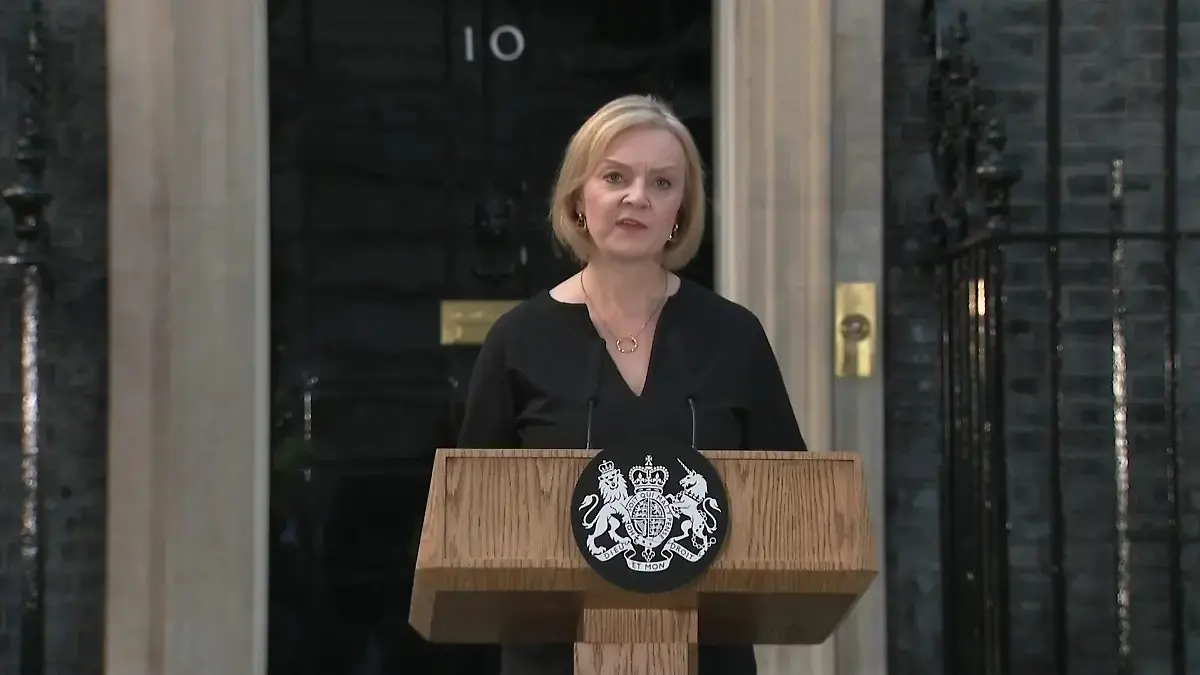
In a solemn address to the nation, British Prime Minister Liz Truss paid tribute to Queen Elizabeth II, who passed away at Balmoral Castle on Thursday, September 8, 2022, at the age of 96. Speaking from Downing Street, Truss described the Queen as "the rock on which modern Britain was built" and praised her unwavering sense of duty and dedication to the United Kingdom and the Commonwealth.
A Life of Service
Queen Elizabeth II ascended to the throne on February 6, 1952, following the death of her father, King George VI. At just 25 years old, she embarked on a reign that would span seven decades—the longest of any British monarch. Throughout her reign, she witnessed unprecedented social, technological, and political change, yet she remained a constant figure of stability and continuity.
Prime Minister Truss noted that the Queen visited over 120 countries during her reign, meeting countless leaders and citizens. Her first Commonwealth tour in 1953 took her to Bermuda, Jamaica, Fiji, Tonga, and New Zealand among other places. In the United Kingdom, she opened Parliament each year, hosted regular audiences with prime ministers, and carried out thousands of engagements—from hospital visits to garden parties at Buckingham Palace.
Truss's Tribute: A Personal Connection
In her tribute, Liz Truss recalled meeting the Queen just two days earlier, when she was formally appointed as Prime Minister. "I have been profoundly struck by her grace, her wisdom, and her kindness," Truss said. "She was a monarch who always put her people first, even in her final days." The Queen's decision to remain at Balmoral—a residence she loved—underscored her deep attachment to Scotland and her desire for privacy in her dying moments.
Truss also highlighted the Queen's sense of humor and her ability to put others at ease, citing stories from her own family's encounters with the monarch. The Prime Minister stressed that the Queen's legacy would endure through the institutions she upheld and the values she embodied: duty, service, and resilience.
Historical Context: A Reign of Transformation
Queen Elizabeth II's reign saw the decline of the British Empire and the emergence of the Commonwealth of Nations. Decolonization accelerated in the 1960s, with many former colonies becoming independent republics. Yet the Queen worked diligently to maintain ties, often serving as a personal symbol of unity. She also weathered personal and public storms, including the divorces of three of her four children, the fire at Windsor Castle in 1992, and the death of Princess Diana in 1997—which tested the monarchy's popularity and led to a transformation in its public relations approach.
The Queen's Platinum Jubilee in June 2022 marked an outpouring of public affection. Celebrations included street parties, a star-studded concert at Buckingham Palace, and a pageant through London. In her message to the nation, the Queen reiterated her promise of lifelong service, a vow she first made in a radio broadcast at age 21. "I declare before you all that my whole life, whether it be long or short, shall be devoted to your service," she said then—a promise she kept until her final breath.
The Reaction from World Leaders
Liz Truss's own tribute was echoed by leaders across the globe. U.S. President Joe Biden described the Queen as "a stateswoman of unmatched dignity and constancy." Canadian Prime Minister Justin Trudeau called her "one of the most thoughtful people he had ever met." In Europe, leaders praised her role in strengthening ties with the continent after Brexit. Perhaps most poignantly, former Prime Minister John Major spoke of her "unfailing grace" and "extraordinary sense of duty."
The Queen's death also prompted a historic accession: her eldest son, Charles, immediately became King Charles III. In a televised address on Friday, Charles spoke of his profound sorrow and pledged to follow his mother's example of service. His wife, Camilla, now Queen Consort, and his sons, Princes William and Harry, also paid their respects. The nation entered a period of official mourning, with flags at half-mast and a 96-gun salute in Hyde Park.
Reflections on the Monarchy's Future
Liz Truss's tribute also subtly acknowledged the challenges ahead. The monarchy under King Charles III faces a changing public perception, with younger generations less automatically deferential. Charles has already signaled a leaner, more modern monarchy, reducing the number of working royals and focusing on issues like climate change and education. However, the Queen's legacy provides a powerful foundation of goodwill. Her 70 years of service created an emotional reserve that may help the institution navigate criticism and evolving societal norms.
In her speech, Truss emphasized that the Queen's legacy was not merely about longevity but about her "quiet strength, her unwavering duty, and her deep faith." Those qualities, she argued, would continue to inspire Britons for generations. The Prime Minister also noted that the Queen's death represented the end of an era—the second Elizabethan age—but that her spirit would live on in the fabric of the nation.
The Impact on the British People
Across the United Kingdom, ordinary people have shared their memories of the Queen. From the woman who met her at a royal walkabout in 1977 to the child who sent a birthday card to Buckingham Palace and received a reply, the Queen touched millions of lives. Many found comfort in the rituals of monarchy: the changing of the guard, the Christmas broadcast, and the waving from the balcony of Buckingham Palace. The Queen's refusal to be drawn into political controversy and her ability to remain above party politics won her respect even from republicans.
In Scotland, where she died at Balmoral, the Queen was especially beloved. She spent every summer there, walking the hills and attending local events. Her death in Scotland has particular significance as debates continue about Scottish independence. First Minister de facto Nicola Sturgeon acknowledged the Queen's deep commitment to Scotland and extended her condolences, calling her a "constant presence" in people's lives.
Liz Truss concluded her tribute by quoting the words of the national anthem, now changed to "God Save the King." She said, "We take comfort in the knowledge that her Queen is at peace, and we pray for strength and grace as we begin a new era." The Prime Minister then called for a moment of silence, which was observed across the country.
The Queen's state funeral will be held at Westminster Abbey on September 19, 2022, after which her coffin will be transported to Windsor Castle for burial in the King George VI Memorial Chapel alongside her husband, Prince Philip, who died in 2021. The nation will say its final goodbye to a woman who defined an age—and whom Liz Truss fittingly described as "the very heart of our national identity."
Source: rtl.de News